Showing posts sorted by date for query va. Sort by relevance Show all posts

Kentucky Mortgage Rates and Home Loan Options

Kentucky Mortgage Rates and Home Loan Options

Kentucky is known for its bluegrass pastures, thoroughbred horses, and bourbon heritage. But for many families, the biggest attraction is affordable housing and the chance to build wealth through homeownership. Whether you are buying your first home, moving up, or refinancing, understanding current Kentucky mortgage rates and loan options will help you make a smarter financial decision.

This guide explains the most common Kentucky mortgage programs, how rates are determined, and where to start if you are ready to apply for a home loan.

What Affects Kentucky Mortgage Rates?

Mortgage interest rates in Kentucky are driven by a mix of personal and market factors, including:

  • Credit score and credit history
  • Debt-to-income (DTI) ratio
  • Loan program (FHA, VA, USDA, KHC, Conventional, Jumbo)
  • Down payment amount
  • Property type and occupancy (primary residence, second home, investment)
  • Overall economic and rate environment

Lenders review your full profile and line you up with the program that best fits your goals. That is why it pays to work with a local Kentucky mortgage broker who understands all the options and overlays, not just one bank’s products.

FHA Mortgage Rates in Kentucky

FHA loans are one of the most popular options for Kentucky first-time homebuyers who need a flexible program with a low down payment. With FHA financing, you can:

  • Put as little as 3.5 percent down
  • Qualify with mid-range credit scores
  • Use gift funds for part or all of the down payment
  • Finance up to 96.5 percent of the home’s purchase price

Because FHA loans are insured by the Federal Housing Administration, interest rates are often very competitive compared to other low-down-payment options.

Learn more about Kentucky FHA loan requirements and how to qualify.

Conventional Mortgage Rates in Kentucky

Conventional loans can be a strong fit for Kentucky homebuyers with higher credit scores and stable income. Key advantages include:

  • Down payments starting at 3 percent for qualified buyers
  • Potentially lower interest rates for strong credit profiles
  • Ability to remove private mortgage insurance (PMI) at 80 percent loan-to-value (LTV)
  • More flexibility for second homes and investment properties

If your credit score is 720 or higher and you can make at least a small down payment, a conventional loan may provide the lowest long-term cost of ownership.

For more details, visit my page on Kentucky conventional mortgage loans.

Kentucky VA Loan Rates and Benefits

Eligible veterans, active-duty service members, and certain surviving spouses can take advantage of the VA home loan program. This is often the best overall deal available for qualified Kentucky borrowers. Benefits include:

  • No down payment required if the property appraises for the purchase price or higher
  • No monthly mortgage insurance
  • Flexible underwriting guidelines and residual income standards
  • Competitive interest rates backed by the Department of Veterans Affairs

The VA itself does not set a minimum credit score, but most lenders use a 620 overlay in today’s market. As a broker, I work with multiple VA lenders to find the most favorable fit.

Get more information on Kentucky VA home loan requirements.

USDA Rural Housing Loan Rates in Kentucky

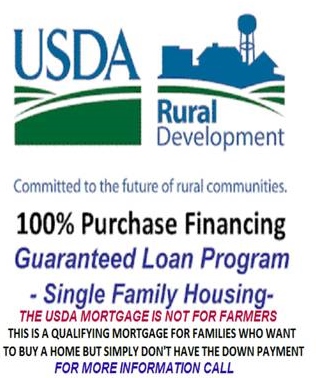
USDA Rural Development loans offer 100 percent financing in eligible rural areas of Kentucky. These are powerful options for buyers who have stable income but limited savings for a down payment.

USDA benefits include:

  • No down payment required
  • Competitive fixed interest rates
  • Income-based eligibility and geographic restrictions
  • Lower monthly mortgage insurance than many other programs

To see if a property or area is eligible, and to understand income limits, review my guide to Kentucky USDA Rural Housing loans.

Kentucky Housing Corporation (KHC) Down Payment Assistance

Kentucky Housing Corporation (KHC) provides down payment assistance and affordable loan options through approved lenders. These programs can be combined with FHA, VA, USDA, and conventional loans to make homeownership more accessible.

Selected features of KHC down payment assistance include:

  • Down payment assistance of $12,500 over 15 years at 4.75% percent
  • Can be used for down payment and/or closing costs
  • Paired with fixed-rate first mortgage products

For more information, start with my overview of Kentucky Housing Corporation (KHC) programs.

Jumbo Mortgage Rates in Kentucky

When the loan amount is above the conforming loan limit, a jumbo mortgage is required. Jumbo loans usually call for:

  • Higher credit scores
  • Strong, documentable income
  • Lower debt-to-income ratios
  • Larger reserves in savings or investments

Rates can still be very competitive, but jumbo loans usually price slightly higher than standard conforming loans because of the increased risk and loan size.

Which Kentucky Mortgage Program Is Right for You?

There is no one-size-fits-all mortgage. The right program depends on your goals, budget, credit profile, and how long you plan to stay in the home. Here is a quick way to think about it:

  • FHA – Best for lower down payments and average credit
  • VA – Best for eligible veterans and service members who want zero down and no monthly mortgage insurance
  • USDA – Best for buyers in eligible rural areas who need 100 percent financing
  • KHC – Best for buyers needing down payment or closing cost assistance
  • Conventional – Best for strong credit and those who want to remove PMI at 80 percent LTV
  • Jumbo – Best for higher-priced homes above conforming loan limits

If you are not sure where you fit, reach out and I will walk you through a side-by-side comparison based on your credit, income, and timeframe.

Start Your Kentucky Mortgage Preapproval

Getting preapproved is the first step to knowing your price range, estimated payment, and which loan programs you can qualify for. As a local Kentucky mortgage broker, I work with multiple lenders and investors to find the most competitive rate and program for your situation.

When you are ready, you can:

  • Apply online through my secure application portal
  • Upload income and asset documents electronically
  • Receive a customized loan strategy and preapproval letter
Kentucky Mortgage Infographics - Rates & Programs

Kentucky Mortgage Infographics

What Determines Your Kentucky Mortgage Rate?

Six key factors that impact your pricing

Credit Score

Higher scores = stronger pricing

Debt-to-Income

Impacts underwriting risk

Loan Program

FHA, VA, USDA, KHC, Conventional, Jumbo

Down Payment

Larger down = lower rate

Property Type

Primary vs. investment property

Market Conditions

Fed policy, inflation, bond yields

Which Loan Is Right for You?

Choosing Your Perfect Mortgage Program

FHA
Average credit + low down
VA
Zero down for military
USDA
Zero down for rural
KHC
Down payment help
Conventional
Strong credit & pricing
Jumbo
Premium properties
⚡ Get Customized Comparison in Minutes

Visit my main site for more resources tailored to Kentucky homebuyers and homeowners:

https://www.mylouisvillekentuckymortgage.com/

About Joel Lobb, Kentucky Mortgage Broker

Joel Lobb (NMLS# 57916) Senior Loan Officer

Text or call: 502-905-3708
Email: kentuckyloan@gmail.com

If you are an individual with disabilities who needs accommodation, or you are having difficulty using this website to apply for a loan, please contact me at 502-905-3708.

Important Disclosures

No statement on this site is a commitment to make a loan. All loans are subject to borrower qualifications, including income, property evaluation, sufficient equity, and final credit approval. Approvals are subject to underwriting guidelines, interest rates, and program requirements and are subject to change without notice based on applicant eligibility and market conditions.

Refinancing an existing loan may result in total finance charges being higher over the life of the new loan. Reduction in payments may reflect a longer loan term. Terms of any loan may be subject to payment of points and fees by the applicant.

Equal Opportunity Lender. NMLS# 57916 NMLS Consumer Access: http://www.nmlsconsumeraccess.org/

Assumption of A Kentucky Mortgage Loan

Title: Assumable Mortgage Loans in 2026: Why They Rarely Work & What Kentucky Homebuyers Should Know Description: Assumable mortgage loans sound great—keep the seller’s low rate and take over their loan. But in practice, assumptions almost never work. Learn the real guidelines for FHA, VA, and USDA assumptions and why most buyers end up choosing a new mortgage instead. -->

Assumable Mortgage Loans: Why They Rarely Work in 2026 (Kentucky Guide)

Assumable mortgage loans have become a trending topic again as Kentucky homebuyers look for ways to secure lower interest rates. The appeal is simple: take over the seller’s existing mortgage, keep their lower rate, and avoid today’s higher market rates.

In reality, assumable mortgages almost never work the way buyers expect, especially in Kentucky. Below is a clear, updated breakdown of how assumptions work today, the guidelines lenders use, and why most buyers ultimately choose a traditional loan instead.

What Is an Assumable Mortgage Loan?

An assumable mortgage allows a buyer to take over the seller’s existing loan, including:

  • Interest rate
  • Remaining balance
  • Loan term
  • Mortgage insurance structure
  • Payment schedule

Only certain government-backed loans are typically assumable:

  • FHA loans
  • VA loans
  • USDA Rural Housing loans

Most conventional loans are not assumable because of due-on-sale clauses in the note and mortgage.

For most Kentucky homebuyers, these assumable loan options will be limited to existing FHA, VA, or USDA loans already on the property.

Why Homebuyers Like the Idea of an Assumable Mortgage

1. Access to a Lower Interest Rate

If the seller locked in a low fixed rate in previous years, the buyer may be able to assume that rate instead of taking today’s higher market rate. This is the main reason people look at assumptions.

2. Potentially Lower Closing Costs

In some situations, closing costs on an assumption can be lower than on a brand-new mortgage because certain lender fees may be reduced or eliminated.

3. Simpler Loan Structure (In Theory)

On paper, an assumption looks simple: the buyer steps into the seller’s existing loan terms. However, once you factor in lender approval, equity, and underwriting, it becomes much more complicated.

Why Assumable Mortgages Rarely Work in Practice

1. The Equity Gap Is the Biggest Deal Killer

The most common reason assumptions fall apart is the gap between the seller’s loan balance and the property’s current value.

Example:

  • Seller’s remaining loan balance: $180,000
  • Agreed purchase price: $300,000
  • Equity gap: $120,000

The buyer must either bring that $120,000 in cash or get a second mortgage or home equity loan for the difference. Most first-time homebuyers and move-up buyers do not have the cash needed to make this structure work.

2. Lender or Servicer Approval Is Required

Even when the loan type is assumable (FHA, VA, or USDA), the current lender or loan servicer must approve the assumption. They are not required to say yes.

In many cases, servicers are unwilling to keep low-rate loans on the books or to dedicate staff to process assumption requests. The file can be delayed for months or denied outright.

3. Full Underwriting Is Still Required

An assumption is not a shortcut around qualification. The buyer must still meet full underwriting requirements, including:

  • Credit score and credit history review
  • Verification of income and employment
  • Debt-to-income ratio guidelines
  • Property and occupancy requirements

If the buyer cannot qualify under current FHA, VA, or USDA guidelines, the assumption will be denied.

4. Sellers May Remain Liable Without a Release

In some assumption scenarios, the seller’s name and liability remain tied to the loan if the lender does not formally release them. This risk is especially common in USDA and certain older FHA loans.

Many sellers walk away from the idea of an assumption once they understand they could still be legally responsible if the buyer stops making payments.

5. VA Assumptions Can Tie Up the Veteran’s Entitlement

VA loans bring another critical issue: entitlement. If a non-veteran assumes a VA loan, the original veteran’s entitlement can remain tied to that property until the loan is paid off or refinanced. That means the veteran may not be able to fully use their VA benefit on another home.

Because of this, many Kentucky veterans are not willing to allow a civilian buyer to assume their VA loan.

When an Assumption Might Make Sense

Even with all of these challenges, there are rare situations where an assumption could work:

  • The seller has very little equity in the home
  • The buyer has strong cash reserves and is comfortable with a large down payment
  • The loan servicer has a clear, documented process for assumptions
  • The buyer is prepared for a longer timeline and extra paperwork
  • The loan type is FHA, VA (with a veteran buyer assuming), or USDA

These scenarios are the exception, not the rule. For most Kentucky buyers, a traditional new mortgage remains the most practical and predictable approach.

Assumable Mortgage vs. New Mortgage: Which Is Better?

When you compare everything side by side, a new mortgage loan often provides:

  • More flexible down payment options
  • Access to down payment assistance through programs like KHC
  • Better long-term structure for the buyer and seller
  • Clear liability and clean title transfer

Assumptions look attractive because of the rate, but once you factor in equity, approval risk, and timing, they are rarely the best overall solution.

Summary: Why Assumable Mortgages Rarely Work

Assumable mortgages can sound like a perfect workaround in a higher-rate environment, but real-world deals usually fall apart for the following reasons:

  • Large equity gap between the loan balance and purchase price
  • Servicer and lender reluctance to approve assumptions
  • Full underwriting still required for the new buyer
  • Liability concerns for the seller
  • VA entitlement issues when non-veterans assume VA loans

For most Kentucky homebuyers, it is more realistic to focus on new FHA, VA, USDA, KHC, or Conventional financing tailored to their budget and long-term goals.

Thinking About Buying a Home in Kentucky?

If you are considering buying a home in Kentucky and want to explore your options, including whether an assumable loan even makes sense, I can help you compare:

  • FHA loans
  • VA loans
  • USDA Rural Housing loans
  • Kentucky Housing Corporation (KHC) down payment assistance
  • Conventional loan options

Call or text today to start your pre-approval and see which program fits your situation.

Phone/Text: 502-905-3708
Website: www.mylouisvillekentuckymortgage.com

This is not a commitment to lend. All loans are subject to credit approval, underwriting guidelines, and property requirements. Programs, rates, and guidelines are subject to change without notice.


Assumption of A Kentucky Mortgage Loan


Questions about assuming someone's mortgage. Contact me below.


Thanks

Joel Lobb Mortgage Loan Officer NMLS 57916
EVO Mortgage
911 Barret Ave, Louisville, KY 40204
Company NMLS ID # 173846

Text/call: 502-905-3708

email: kentuckyloan@gmail.com


http://www.mylouisvillekentuckymortgage.com/


NMLS 57916 | Company NMLS #173846

The view and opinions stated on this website belong solely to the authors, and are intended for informational purposes only. The posted information does not guarantee approval, nor does it comprise full underwriting guidelines. This does not represent being part of a government agency. The views expressed on this post are mine and do not necessarily reflect the view of my employer. Not all products or services mentioned on this site may fit all people.
NMLS ID# 57916, (www.nmlsconsumeraccess.org).


Job Gaps in Employment and Getting Approved for a Mortgage Loan in Kentucky for FHA and Fannie Mae Conventional loans

Job Gaps and Mortgage Approval in Kentucky (FHA & Conventional Guidelines)

Employment gaps happen, and they don’t automatically disqualify a borrower from getting a mortgage. Both FHA and Fannie Mae Conventional loans have clear guidance on how lenders handle gaps in work history, expected income, and frequent job changes. This long-form Kentucky-focused guide breaks everything down so you can understand exactly how lenders evaluate your employment profile.


What Counts as a Job Gap for Mortgage Underwriting?

A borrower is considered to have a job gap when they have six months or more with no verified employment. Each loan program handles this differently, so documentation and expectations vary.


Fannie Mae Conventional Guidelines for Job Gaps

Fannie Mae does not impose a hard rule on employment gaps. Instead, the primary requirement is that Desktop Underwriter (DU) accepts the borrower’s employment and income documentation.

Most lenders verify:

  • Your most recent paystub
  • Your most recent W-2

If DU accepts the income, a prior gap usually does not impact approval.

Learn more about Kentucky Conventional Loans: Kentucky Conventional Mortgage Loan Guide


Kentucky FHA Loan Guidelines for Job Gaps

FHA requires two conditions to be met if a borrower has been unemployed for six months or more:

  • You must be back on the job for at least 6 months at the time of FHA case number assignment.
  • You must document a two-year work history prior to the gap.

If those are met, FHA generally considers the income stable enough for qualifying.

More FHA resources: Kentucky FHA Mortgage Guidelines


Using Income From a Job That Has Not Started Yet

FHA allows lenders to use expected income if the income will begin within 60 days of closing. This may include:

  • A new job start
  • A scheduled raise or promotion
  • A cost-of-living adjustment (COLA)
  • Starting pension or retirement income

The employer must verify the income in writing and confirm it is guaranteed to begin on a specific date.

Borrowers must also have enough reserves or income to make the mortgage payment until the new income begins.

HUD 4000.1 Reference: II.A.4.c.xii.(L)


How FHA Evaluates Frequent Job Changes

If a borrower has changed jobs more than three times in the last 12 months or switched industries, FHA requires additional documentation.

Lenders must obtain either:

  • Training or education transcripts showing the borrower is qualified for the new job, or
  • Proof of consistent increases in income or benefits

HUD 4000.1 Reference: II.A.4.c.xi.(A)

More on work history rules: Kentucky Work History Requirements for Mortgage Approval


Key Takeaways for Kentucky Borrowers With Job Gaps

  • Conventional loans are flexible — DU findings drive approval.
  • FHA requires six months back on the job after a gap plus a prior two-year history.
  • Expected income can be used if employment begins within 60 days of closing.
  • Frequent job changes may require additional documentation.
  • Strong AUS (DU or FHA TOTAL) findings can offset prior employment instability.

Job Gaps in Employment and Getting Approved for a Mortgage Loan in Kentucky for FHA and Fannie Mae Conventional loans


Have Job Gaps? I Can Help You Navigate the Guidelines.

If you’ve had a job gap or recent job changes and want to understand how this affects your FHA or Conventional approval, reach out and I’ll walk you through your options.

Joel Lobb – Mortgage Loan Officer (NMLS #57916)
Email: kentuckyloan@gmail.com
Call/Text: 502-905-3708
Serving all of Kentucky FHA, VA, USDA, KHC, and Conventional Homebuyers

How do collections and charge offs on the credit report affect a Kentucky VA Mortgage Loan Approval?

Kentucky VA Loan Guidelines: Collections, Charge-Offs, Judgments and Liens

Many Kentucky veterans are worried that old collections or charge-offs will automatically stop a VA home loan approval. In most cases, that is not true. The VA underwriter looks at the whole credit picture, not just one negative item, and wants to know whether you are a satisfactory long-term credit risk.

This guide explains how Kentucky VA lenders typically treat collection accounts, charge-offs, judgments and liens when you apply for a VA mortgage.

VA credit guidelines can be flexible, but every file is different. The best way to know where you stand is to have your full credit report reviewed by a VA-approved lender who understands Kentucky guidelines.

How VA Views Collection Accounts

VA does not automatically require every collection to be paid before you can close on a home. Instead, the underwriter reviews the type, age, size and pattern of the collection accounts and whether you have re-established good credit since those events.

Key points about collection accounts

  • Isolated or low-impact collections (especially older medical collections) generally do not have to be paid as a condition of approval.
  • All collections are still treated as part of your overall credit history, even if payment is not required.
  • If the credit report shows a minimum monthly payment on a collection, that payment may need to be counted in your debt-to-income ratio (DTI).
  • Borrowers with prior collections are expected to show re-established, on-time credit afterward.
  • The underwriter documents the handling of collections on VA Form 26-6393, Loan Analysis, to explain why the negative history does not make the loan unacceptable.

When a Letter of Explanation is needed for collections

For many Kentucky VA loans, especially manual underwrites, the lender will ask for a short written Letter of Explanation (LOE) that covers:

  • What happened that led to the collection
  • What you did to resolve or address it
  • What you are doing now to avoid the same situation in the future
  • Whether you plan to pay it, settle it or leave it as is

The goal is to show that the collection is tied to a specific, understandable event and that your current behavior reflects responsible money management.

How VA Views Charge-Off Accounts

Charge-offs are accounts the creditor has written off and is no longer actively trying to collect. VA generally treats them differently than active collections.

Key points about charge-offs

  • Charge-offs usually are not required to be paid for a VA loan approval.
  • They are often ignored for DTI purposes since there is no active minimum monthly payment.
  • The underwriter still looks at the circumstances and timing of the charge-offs to decide whether you have since re-established good credit.

Even when a charge-off does not need to be paid, it still contributes to the overall picture of how you have used credit in the past.

Debts That Must Be Paid Before a Kentucky VA Closing

Some items cannot simply be left unpaid because they affect title and the legal ability to record the new mortgage. These almost always must be paid or released prior to closing.

Judgments

  • Civil judgments reported on credit or discovered in public records generally must be paid in full or have a documented, satisfactory repayment agreement in place.
  • Judgments can attach to the property and impact title, so they must be resolved before recording the VA mortgage.

Liens

  • Tax liens, child support liens and other recorded liens must be paid, released or otherwise cleared before closing.
  • Federal debt issues are treated very seriously. Delinquent federal debt will usually stop a VA loan until it is resolved.

When VA Credit Issues Lead to Manual Underwriting

Not every VA file receives an Approve/Eligible recommendation through automated underwriting. When there are multiple collections, recent late payments or other risk factors, your loan may be manually underwritten.

On a manual underwrite, the underwriter will focus heavily on:

  • Pattern of on-time payments over the last 12–24 months
  • Stability of income and employment
  • Overall DTI ratio and residual income
  • Strength of the LOE around prior collections or charge-offs

Good, recent payment history can often outweigh older negative items if the rest of the file is strong.

Key Takeaways for Kentucky VA Homebuyers

  • Most standard collections do not automatically have to be paid to qualify for a VA loan.
  • Charge-offs are often ignored for DTI, but still reviewed as part of credit history.
  • Judgments, tax liens and many federal debts must be cleared or resolved before closing.
  • A clear, honest Letter of Explanation helps the underwriter understand what happened and why your situation is now stable.
  • The best approach is a full credit review by a Kentucky VA lender who knows how to work within VA guidelines.
Request a Kentucky VA credit review

If you have collections or charge-offs and you are not sure how they will affect your VA home loan, I can review your credit report and give you a clear plan. Many veterans are closer to qualifying than they think once the file is structured correctly.

Joel Lobb (NMLS #57916)
Senior Loan Officer
Cell/Text: 502-905-3708
Email: kentuckyloan@gmail.com
Website: www.mylouisvillekentuckymortgage.com

More Kentucky VA Loan Resources

This website is not affiliated with any government agency, including the U.S. Department of Veterans Affairs (VA).
NMLS ID #57916 (www.nmlsconsumeraccess.org)


Kentucky VA Loan Collections, Charge-Offs, Judgments & Liens What really happens when you apply with old credit issues.


Kentucky FHA Job Gap Guidelines Explained

Kentucky FHA Job Gap Guidelines: Qualify With Employment Gaps

Kentucky FHA Job Gap Guidelines: What Borrowers Need to Know

Are you worried that a job change or period of unemployment will disqualify you from getting an FHA loan in Kentucky? You're not alone. Many first-time homebuyers assume that any employment gap means instant rejection. The good news: FHA's rules are far more flexible than most people realize.

This comprehensive guide covers everything Kentucky homebuyers need to know about FHA job gap requirements, employment stability standards, and how to document your income history to qualify for an FHA mortgage.


FHA's Two-Year Employment Requirement: What It Really Means

One of the biggest misconceptions about FHA loans is that you must work for the same employer for two full years. This simply isn't true.

FHA doesn't require employment continuity with a single employer. Instead, mortgage lenders verify your overall employment and income stability over the past 24 months. This means FHA evaluators look at the complete picture of your work history, not just tenure at one job.

When reviewing your employment history, FHA-approved lenders examine:

  • Job changes and transitions between employers
  • Periods of unemployment or gaps in employment
  • Changes in industry, career field, or job title
  • Income patterns, consistency, and growth over time
  • Explanation letters for any breaks in employment

Even minor gaps—sometimes just one month—typically require written explanation from the borrower. This documentation helps lenders understand the context behind employment interruptions and assess your likelihood of continued income.


FHA Job Gaps Longer Than Six Months: How They're Evaluated

A job gap lasting six months or longer does trigger additional FHA scrutiny, but it doesn't automatically disqualify you. FHA guidelines allow your income to be counted for qualifying purposes as long as two key conditions are met:

  • Return to stable employment: You must have been back to work for at least six months in your current position or in a similar line of work
  • Prior work history: You can demonstrate a stable two-year employment history before the gap occurred

The types of employment history that count toward this requirement include:

  • Traditional W-2 employment with previous employers
  • Industry-specific training or apprenticeships
  • Educational programs and vocational certifications
  • Military service (full or part-time)
  • Self-employment in your field

The key principle is demonstrating that you have a consistent pattern of work and income—with a reasonable explanation for the interruption.


Acceptable Reasons for Employment Gaps in FHA Underwriting

FHA underwriters understand that real life happens. The program was created to help working families, including those with imperfect employment histories. FHA permits and accepts employment gaps for the following reasons:

  • Job loss: Layoffs, company closures, or reductions in force
  • Medical hardship: Illness, injury, or recovery requiring time away from work
  • Family leave: Parental leave, childcare responsibilities, or family caregiving
  • Education and training: Pursuit of certifications, degrees, or vocational training
  • Seasonal employment: Natural gaps in seasonal, cyclical, or project-based work
  • Military service: Active duty, reserve service, or transition periods
  • Relocation: Job search during a move to a new geographic area

What matters most is that you can document the reason for the gap and demonstrate that you've returned to stable, ongoing employment. Your current job should show signs of stability and reasonable likelihood of continuation.


How FHA Treats Variable and Irregular Income

Not all income is earned the same way. Certain income sources fluctuate by nature, so FHA requires longer documentation periods to prove they're reliable.

FHA allows lenders to count the following variable income types toward your qualifying income:

  • Overtime pay
  • Bonus compensation
  • Commission-based earnings
  • Part-time employment
  • Seasonal work
  • Freelance or contract income

The requirement: You must show at least 24 months of consistent history with this income type. Alternatively, if you have strong evidence that this income is expected to continue—such as a new employment contract or documented growth trend—lenders may use shorter history periods.

For example, if you earn significant commission income, your lender will review your past two years of tax returns and pay stubs to calculate an average. If the average is stable or increasing, it typically qualifies for your mortgage application.


Self-Employment and FHA Job Gap Rules

Self-employed borrowers face somewhat stricter requirements because business income can be variable and subject to change. Typically, FHA requires a minimum two-year history of self-employment to use business income for qualifying.

However, FHA does allow exceptions if:

  • You previously worked in the same field before becoming self-employed, or
  • You completed formal education, training, or apprenticeship directly related to your business before launching it

When evaluating self-employment income, FHA lenders review:

  • Two years of complete federal tax returns (1040 with Schedule C)
  • Year-to-date profit and loss statements
  • Evidence of business stability and positive cash flow
  • Professional assessment of whether the business will likely continue

Self-employed borrowers should maintain organized business records and be prepared to explain their business model and income projections during the FHA application process.


Does FHA Require Two Years With the Same Employer? No.

This myth persists among homebuyers, but it's simply not true. Let's clear up what FHA actually requires versus common misconceptions:

FHA Does NOT Require:

  • Two consecutive years working for the same employer
  • Two years in the same job title or position
  • Two years of full-time employment only
  • Zero employment gaps or job changes

FHA DOES Require:

  • A verifiable two-year work history (with documented explanations for gaps)
  • Current employment that's stable and likely to continue
  • Demonstrated income stability and consistency
  • Reasonable likelihood that you'll continue earning current income

The focus is on stability and income continuity, not rigid employment tenure. Job changes are normal, and FHA recognizes this. As long as you can explain your employment moves and show stable income, you'll likely qualify.


Kentucky FHA Borrowers: What You Need to Qualify With a Job Gap

If you've experienced job changes, periods of unemployment, or employment transitions, you can still qualify for an FHA loan in Kentucky. Use this checklist to ensure you're prepared:

  • Document every gap: Have a written explanation for any employment interruption, even brief ones
  • Verify your stability: Show that you're currently employed in a stable position
  • Follow the six-month rule: If your gap was longer than six months, ensure you've been back to work for at least six months
  • Build your history: Demonstrate a solid two-year work history prior to any long gap
  • Gather supporting documents: Prepare pay stubs, W-2 forms, offer letters, and employment verification letters

FHA loans exist to help real working people achieve homeownership—not just those with perfect employment records. With proper documentation and stable current employment, employment gaps won't derail your path to homeownership in Kentucky.


Ready to Apply for a Kentucky FHA Mortgage?

If you have employment gaps, job changes, or variable income and want to explore FHA financing, I can provide a personalized review of your situation and qualifying options.

As a mortgage specialist focused on Kentucky first-time homebuyers for over 20 years, I've helped more than 1,300 families qualify for FHA loans—many with complex employment histories. I can guide you through the documentation process and connect you with loan programs designed to fit your specific circumstances.

Contact me today for a free, no-obligation FHA eligibility review:

Joel Lobb

Mortgage Loan Officer – FHA, VA, USDA & KHC Specialist

NMLS Personal ID: 57916 | Company NMLS ID: 1738461

πŸ“§ Email: kentuckyloan@gmail.com

πŸ“ž Phone/Text: (502) 905-3708

🌐 www.mylouisvillekentuckymortgage.com

Equal Housing Lender | Independent platform providing expert mortgage guidance to Kentucky homebuyers

FHA Job Gap Infographics

FHA's 2-Year Employment Requirement

Understanding the Timeline: What FHA Actually Looks At

24m
Today
Current Employment
12m
12 Months Ago
Job History Review
24m
24 Months Ago
Full 2-Year Period

FHA Reviews: Overall employment stability over 24 months, NOT continuous employment with one employer

The 6-Month Rule for Job Gaps

When Employment Gaps Longer Than 6 Months Apply

6+ Months

Employment Gap

You Can Still Qualify If:

  • Back to work for at least 6 months
  • Current job is stable
  • 2-year history before the gap
  • Can explain the gap reason
  • Reasonable income expectations

Acceptable Reasons for Employment Gaps

FHA Understands Life Happens

πŸ“‰

Job Loss

Layoffs, company closures, or reduction in force

πŸ₯

Medical Issues

Illness, injury, or recovery time

πŸ‘Ά

Family Leave

Parental leave or childcare responsibilities

πŸŽ“

Education

Certifications, degrees, or training programs

🌾

Seasonal Work

Cyclical or seasonal employment gaps

πŸͺ–

Military Service

Active duty or transition periods

Variable Income Types FHA Accepts

Earn Different Ways? FHA Has You Covered

⏰ Overtime

24-month history

πŸ’° Bonuses

24-month history

πŸ“Š Commission

24-month history

πŸ• Part-Time

24-month history

🌾 Seasonal

24-month history

πŸ’Ό Freelance

24-month history

All variable income types require consistent 24-month documentation or strong evidence of continuation

FHA Job Gap Myths vs Reality

Stop Believing These Common Misconceptions

❌ FHA Myths

  • You need 2 years with same employer
  • Any gap disqualifies you
  • You can't have job changes
  • Only full-time work counts
  • Perfect employment history required

✓ FHA Reality

  • 2-year work history (any employers)
  • Gaps OK if documented & explained
  • Job changes are normal & acceptable
  • Part-time & variable income OK
  • Real-world work history accepted

Example: How FHA Views Your Employment History

A Real-World Scenario

24 Months Lookback:
Job 1: 10mo
Gap: 2mo
Job 2: 10mo

✓ FHA Says: "This applicant has solid employment history with a minor gap. The gap is explained, and they're currently stable. APPROVED."

Qualification Checklist for Kentucky FHA Borrowers

Get Ready to Apply

✓ Are You Ready?

  • Documentation: Written explanations for all employment gaps (even brief ones)
  • Stability Proof: Evidence of current stable employment
  • 6-Month Rule: If gap was 6+ months, you've been back to work 6+ months
  • History: Solid 2-year work history before any long gaps
  • Documents: Pay stubs, W-2s, offer letters, verification letters ready
  • Income Calculation: 24-month average for variable income documented

How much income do I need qualify for Kentucky Home Loan?

DTI Ratio Guide: How Much Income Do You Need for a Mortgage in Kentucky?

Mortgage DTI Ratio Guide: How Much Income Do You Need To Qualify In Kentucky?

A practical Kentucky-focused guide to debt-to-income ratios, front-end and back-end limits, and how FHA, VA, USDA, KHC, and Conventional lenders calculate what you qualify for.

Understanding How Lenders Look At Your Income In Kentucky

When you apply for a mortgage in Kentucky, lenders look past the sales price and interest rate. They want to know how much of your monthly income is already spoken for. That is where your debt-to-income ratio, or DTI, comes in.

Your DTI ratio compares your total monthly debt payments to your gross monthly income. It is one of the biggest drivers of approval, loan amount, and pricing for FHA, VA, USDA, KHC, and Conventional loans.

Key idea: a strong DTI can offset a mid-range credit score, but a weak DTI can kill a file even with great credit.

What Is Debt-To-Income (DTI) And Why It Matters

Debt-to-income ratio is the percentage of your gross monthly income that goes toward required monthly debt payments. Lenders use it to measure whether you can safely take on a new mortgage payment on top of your existing obligations.

Formula:

Total monthly debt payments ÷ gross monthly income × 100 = DTI percentage

Example: if you earn 5,000 per month and have 2,000 in total monthly debt (including the new house payment), your DTI is 40 percent.

Front-End Versus Back-End DTI Ratios

Lenders run two separate DTI tests on every file: the front-end ratio and the back-end ratio.

Front-end ratio (housing ratio)

Measures how much of your gross monthly income goes only to the house payment:

  • Principal
  • Interest
  • Property taxes
  • Homeowners insurance
  • Mortgage insurance, if applicable

For FHA, a typical guideline is around 31 percent of gross income.

Back-end ratio (total DTI)

Measures all required monthly debts including the new house payment:

  • New mortgage payment (PITI)
  • Credit card minimums
  • Auto loans
  • Student loans
  • Child support or alimony
  • Personal loans and 401(k) loans

Utilities, cell phone, car insurance, groceries, and streaming services do not count in DTI.

Most Kentucky lenders want to see a total DTI in the low-to-mid forties. Some programs will stretch higher with strong credit, savings, or residual income.

Typical DTI Guidelines By Loan Program In Kentucky

Exact approval limits come from automated underwriting findings, but these ranges are a realistic working grid for Kentucky files.

Loan program Front-end Back-end Notes
FHA Around 31 percent 43–50 percent with AUS and compensating factors Popular for first-time buyers and mid-range credit scores.
VA No strict front-end; 41 percent used as a guide 41–55 percent depending on residual income Zero down, no monthly mortgage insurance; residual income is critical.
USDA About 29–32 percent Around 41–43 percent Zero down for eligible rural areas; tighter on DTI than FHA.
KHC Around 31–32 percent 43–45 percent depending on program Used with FHA, VA, USDA, or Conventional plus down payment assistance.
Conventional (Fannie/Freddie) Around 28 percent Up to 49.9 percent with strong AUS approval Best pricing for well-qualified borrowers with solid credit.

Automated Findings Versus Manual Underwriting

Most Kentucky loans run through automated underwriting systems such as Desktop Underwriter, Loan Product Advisor, or USDA and VA equivalents. These engines have hard-coded DTI caps that cannot flex.

When a file is strong overall but just outside the automated DTI box, a manual underwriter can sometimes step in and approve the loan by looking at the full picture.

Automated underwriting (AUS)

  • Fast decisions based on credit, DTI, assets, and property data
  • DTI limits are strict; the engine cannot use judgment
  • Ideal for clean, well-qualified files

Manual underwriting

  • Human underwriter reviews the full story
  • Can allow higher DTIs with strong compensating factors
  • Common on FHA, VA, USDA, and some KHC loans

Manual underwriting is often the difference between a denial and an approval for borrowers who are a few points over standard DTI limits but have stable income, cash reserves, or strong payment history.

Residual Income And Disposable Cash Flow

DTI is not the only way to look at risk. Some programs, especially VA, put heavy weight on residual income, which is the money left over after all debts, taxes, and basic living expenses are paid.

Strong residual income can tip a borderline DTI file into an approval because it shows the borrower has room to absorb surprises, repairs, and lifestyle costs beyond the minimum debt obligations.

Kentucky DTI Mortgage Calculator

Use this quick calculator to estimate the maximum monthly mortgage payment you can carry under common Kentucky guidelines. This is a rough planning tool, not a final approval decision.

Include car loans, credit cards, student loans, child support, and other required payments.

Results

Enter your income and debts to estimate how much house payment fits typical DTI rules.

This tool is for educational estimates only and is not a credit decision. Actual approvals follow AUS findings and full underwriting review.

Practical Ways To Improve Your DTI Before You Apply

If your current DTI is on the high side, a few focused moves can open up more approval options and price ranges.

Pay down or eliminate small monthly debts

Target revolving credit cards and small installment loans first. Every 50 to 100 dollars in monthly payment reduction directly lowers your DTI and raises what you qualify for.

Avoid taking on new debt before closing

New car loans, furniture financing, or large credit card purchases right before or during the mortgage process can push your DTI over the limit and cost you the approval.

Consider a co-borrower with income and low debt

A spouse or co-borrower with strong income and minimal monthly obligations can materially improve the combined DTI on the file. Their debts count too, so the profile has to make sense overall.

Look at program fit instead of forcing one product

A file that is tight for Conventional may be completely workable under FHA, VA, USDA, or KHC guidelines. Matching income, credit, and DTI to the right program is where an experienced local loan officer earns their keep.

Real Kentucky Example: 5,000 Monthly Income And 1,000 In Debts

Here is a simple FHA-style scenario for a borrower in Kentucky earning 5,000 per month with 1,000 in monthly debts on the credit report.

Item Calculation Amount
Gross monthly income Stated 5,000
Front-end limit (31 percent) 5,000 × 0.31 1,550
Back-end limit (43 percent) 5,000 × 0.43 2,150
Existing debts Car, cards, student loans 1,000
Back-end room for house payment 2,150 − 1,000 1,150
Estimated maximum PITI payment Lower of 1,550 and 1,150 1,150 per month

Depending on rate, taxes, and insurance, a payment in this range might support a price point somewhere around the high 100s to low 200s in many Kentucky markets. Exact numbers require a full quote.

Want To Know Exactly How Much House You Qualify For In Kentucky?

A quick pre-approval conversation can take the guesswork out of DTI. We can run your income, debts, and credit through multiple Kentucky lenders and programs and show you real numbers instead of rough estimates.

FHA, VA, USDA, KHC, and Conventional options available. First-time homebuyers welcome.

Joel Lobb • Mortgage Loan Officer • Expert on Kentucky Mortgage Loans

EVO Mortgage • Company NMLS 1738461 • Personal NMLS 57916 • Equal Housing Lender

This content is for educational purposes only and is not a commitment to lend. All loans are subject to credit approval, underwriting guidelines, and property acceptance. DTI guidelines and program terms are subject to change.